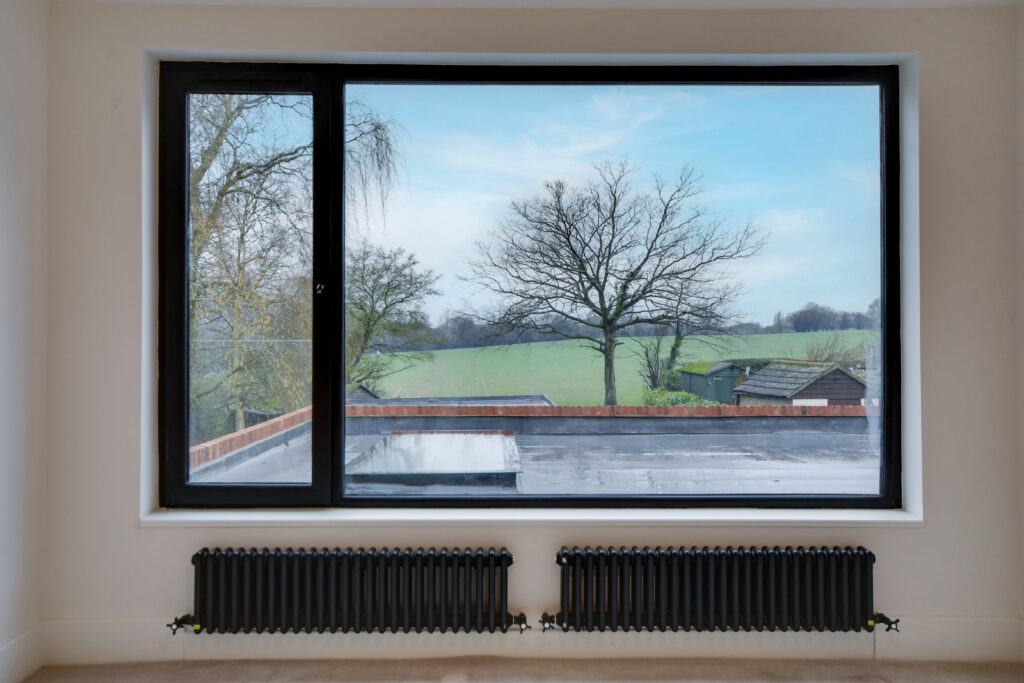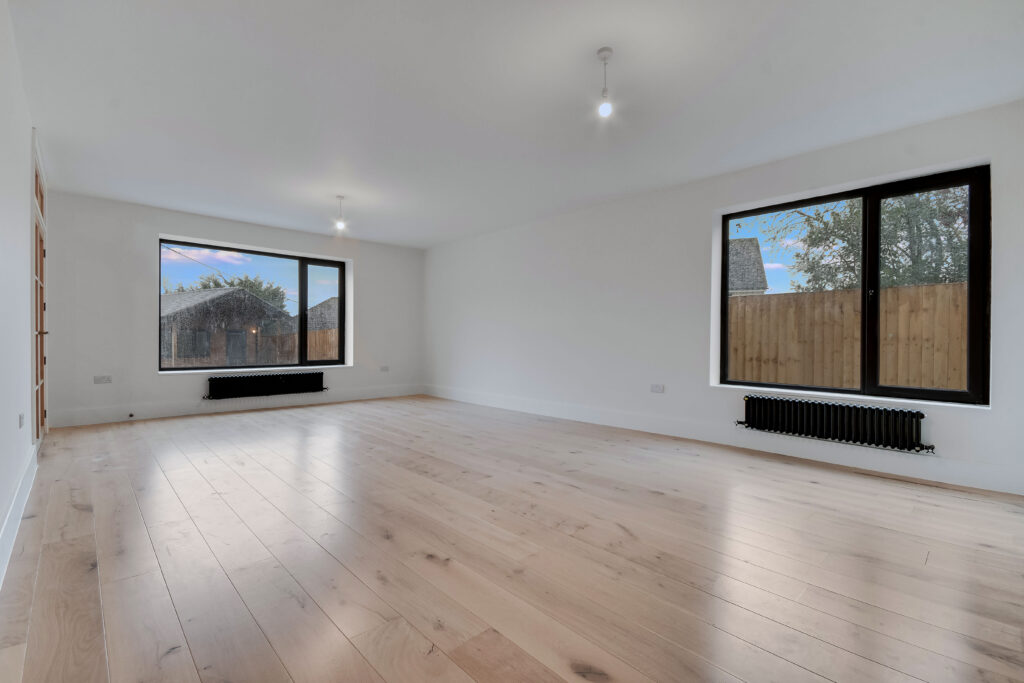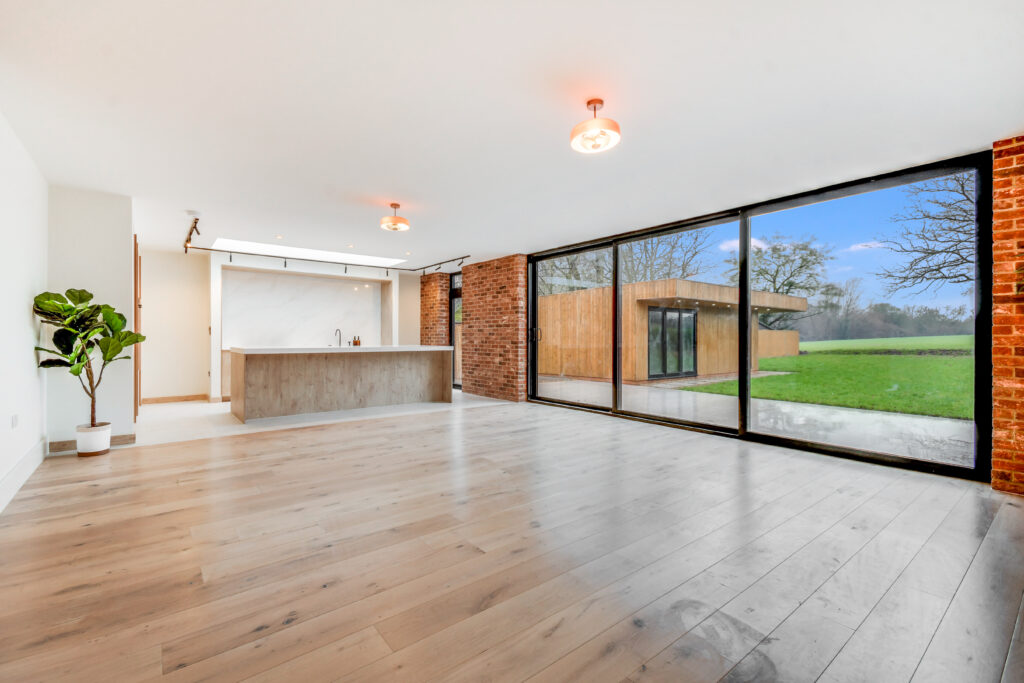

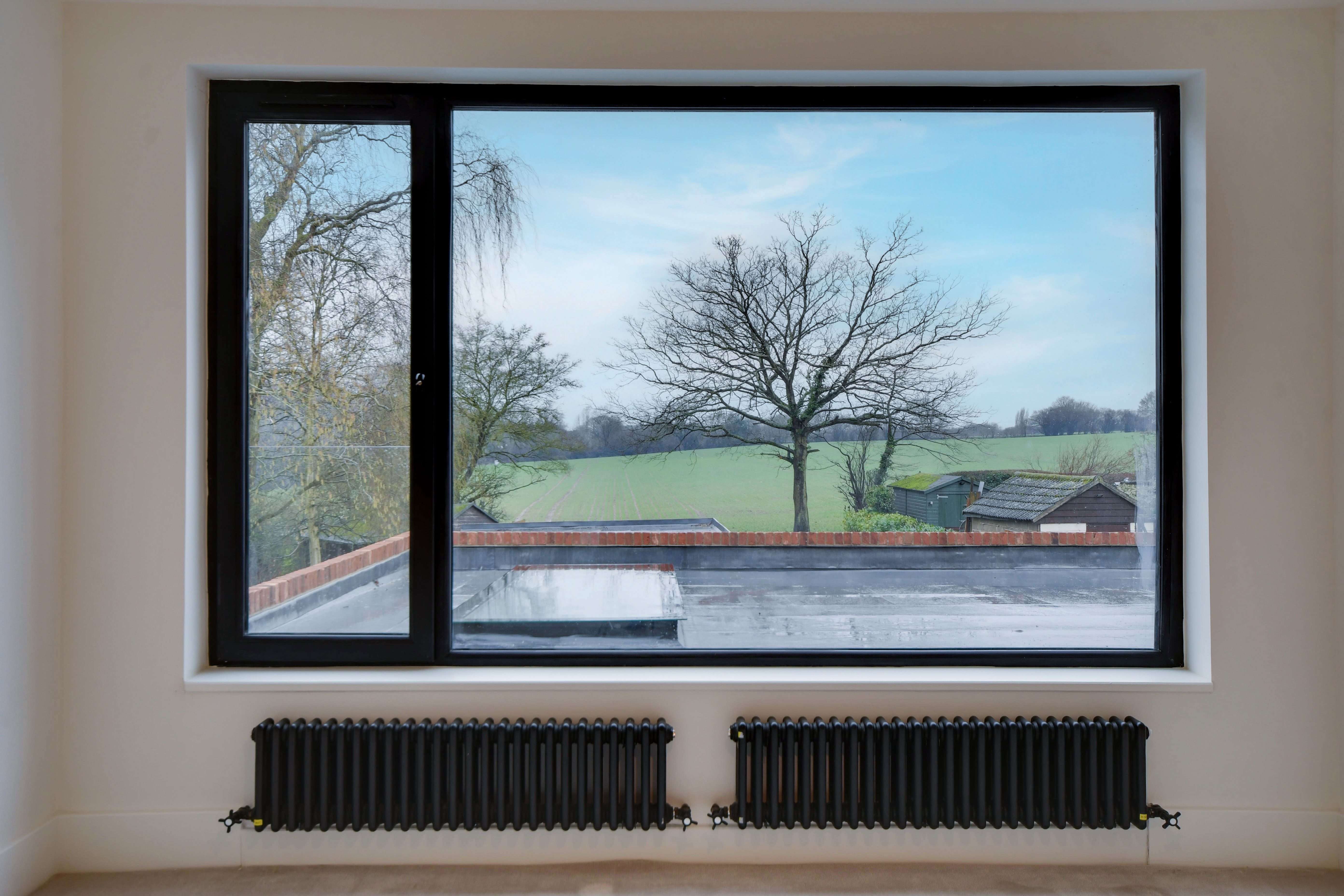
Most people don’t start looking at new glazing because they’re interested in glass. They start because something doesn’t feel right. A room stays cold even when the heating is on. Condensation keeps forming on the inside of the windows. Outside noise feels louder than it used to. Then the energy bills arrive, and suddenly the problem feels bigger.
In a lot of cases, the issue isn’t the heating system at all. It’s the glazing. Windows that are past their best quietly let heat escape, day after day, and most homeowners don’t notice until comfort drops and costs rise.
Over the years, we’ve seen how much difference the right glazing makes, not just to energy efficiency, but to how a home actually feels to live in.
Why does glazing affect energy efficiency so much?
Heat always looks for the easiest way out. Old windows, worn seals, and poorly fitted frames give it exactly that. In winter, warmth escapes through the glass and gaps around it. In summer, heat comes straight back in. The heating works harder, the thermostat gets turned up, and the cycle continues.
Good glazing slows that process down. It doesn’t stop heat entirely, nothing does, but it controls it. Homes feel more stable temperature-wise, fewer draughts are noticeable, and heating systems don’t have to run constantly just to keep rooms comfortable.
This is why glazing is often one of the first upgrades that actually feels worth the money.
Double glazing and why it’s still the starting point
Double-glazing installation became standard in the UK for a reason. Single glazing simply doesn’t hold heat well enough for modern living. Two panes of glass with a sealed gap between them perform far better, especially in older properties that were never designed with energy efficiency in mind.
That sealed gap is doing most of the work. It acts as insulation, reducing heat loss and helping to manage condensation. Double glazing also cuts down outside noise, which many homeowners don’t expect but appreciate immediately.
That said, double glazing isn’t automatically good just because it’s double-glazed. We often come across windows that should perform well on paper but don’t, purely because they weren’t installed properly. This is where experienced double glazing installers really matter. A good unit fitted badly will never perform as it should.
Low-E glass and controlling heat properly
Low-E glass is one of those upgrades people don’t think about until it’s explained properly. It looks like normal glass, but it behaves very differently. There’s a fine coating on it that reflects heat back into the room while still letting light through.
In colder months, this makes a noticeable difference. Rooms hold their warmth longer. In warmer weather, it helps reduce overheating, especially in south-facing spaces. It’s not about making homes airtight or uncomfortable; it’s about balance.
For many modern glazing solutions, Low E glass isn’t an extra anymore. It’s just part of doing the job properly.
Noise, comfort, and acoustic glazing
Energy efficiency often gets talked about in terms of heat, but comfort is more than temperature. Noise plays a big role too, especially in built-up areas. Traffic, neighbours, early mornings, late nights, it all adds up.
Acoustic glazing is designed to reduce how much sound gets through the glass. It’s particularly effective in bedrooms and living spaces facing busy roads. While its main purpose is noise reduction, it also improves insulation by strengthening the glazing unit overall.
People are often surprised by how much quieter their home feels after upgrading, even if noise wasn’t their main concern to begin with.
Laminated glass and why it’s not just about security
Laminated glass is usually chosen for security reasons. It’s made by bonding layers of glass together, so if it breaks, it stays in place instead of shattering. That alone makes it a sensible option for doors and ground-floor windows.
What’s less talked about is how laminated glass also helps with insulation and draught reduction when used as part of a complete system. It adds weight, stability, and performance, all of which contribute to better energy efficiency.
Installation is where most problems begin or end
This is the part that often gets overlooked. People focus on the type of glass and forget that fitting is just as important. Gaps, poor sealing, and rushed work, these are the things that lead to condensation between panes, cold spots, and early failure.
Good double glazing installers don’t just fit windows; they look at the surrounding structure, the condition of the opening, and how the building might move over time. That’s what keeps glazing working properly years down the line, not just on day one.
Choosing glazing that actually suits your home
There isn’t one glazing solution that works for every property. Older houses behave differently from new builds. Flats have different challenges to detached homes. Noise, exposure, layout, and how rooms are used all matter.
This is where a practical approach helps. At Siddh Glazing, the focus is on fitting glazing solutions that make sense for the property, not upselling features that won’t make a real difference. Sometimes that means double glazing with Low E glass. Sometimes it means acoustic or laminated options. Often it’s a combination.
A long-term improvement, not a quick fix
Replacing glazing isn’t a cosmetic upgrade. It’s something that affects daily comfort, monthly bills, and how a home performs over time. When it’s done properly, the difference is noticeable and long-lasting.
For homeowners looking to improve energy efficiency without constant adjustments or rising costs, glazing is often one of the most effective places to start. Done right, it quietly does its job in the background, which is exactly how good glazing should work.