
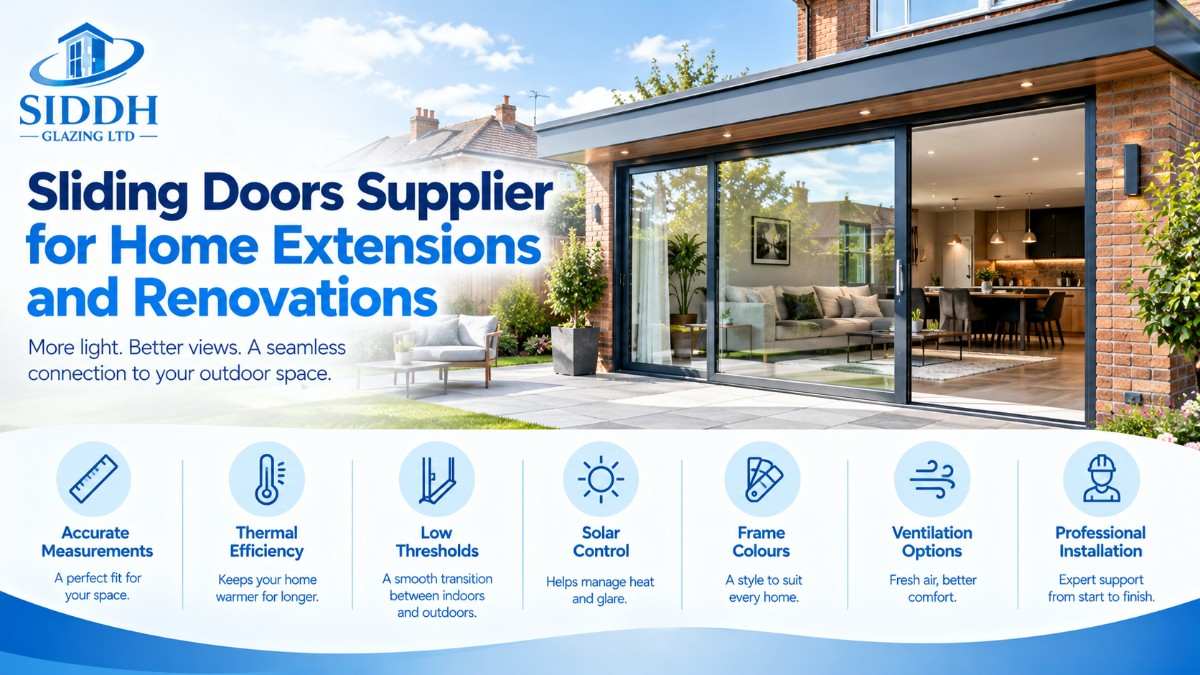
Planning a home extension or renovation in Romford? Choosing the right sliding doors supplier can make a significant difference to your home’s appearance, comfort and energy efficiency. Well-designed sliding doors bring natural light into your living space, create a wider view of the garden and help connect indoor and outdoor areas. However, achieving these benefits depends on choosing suitable frames, quality glazing and professional installation. Whether you’re upgrading a kitchen, extending your living room or creating a modern garden-facing space, understanding what to look for will help you make an informed decision.
Why Home Extensions in Romford Need the Right Sliding Doors Supplier
Romford properties vary from Victorian terraces and 1930s semis to contemporary new builds. Many homeowners choose rear extensions or open-plan renovations to create brighter, more spacious living areas. The right sliding doors can transform how these spaces look and feel. Wide aluminium sliding doors can maximise natural light and provide an expansive garden view, while poorly specified or installed doors may develop operational issues, draughts or gaps.
Choosing a specialist means looking beyond the glass and frame. Accurate measurements, suitable track systems, effective drainage and thresholds that complement your finished floor level all matter. Siddh Glazing supplies and installs aluminium sliding doors designed for the British weather. Features such as thermal breaks and weather seals can help reduce heat transfer and draughts when correctly specified and installed.
What Makes a Reliable Sliding Doors Supplier for Renovations?
Not every double-glazing company specialises in large sliding door systems. Some focus primarily on windows, so it’s important to choose a supplier with experience in designing and installing doors for wider structural openings.
A reliable supplier should explain the available configurations, discuss glass specifications, assess security requirements and advise on factors such as solar control. Siddh Glazing has over 15 years of experience supplying and installing doors, windows and glazed structures across London and Essex. This experience can help homeowners make informed decisions about how their chosen doors will work with the floors, ceilings and roof of a new extension.
Look for durable frames, a suitable range of colours and options for coordinating different glazing features. For example, combining sliding doors with matching roof lanterns or fixed glazing can create a more consistent appearance. Planning these elements together can also simplify coordination during the project.
Aluminium Sliding Doors: A Practical Choice for Modern Extensions
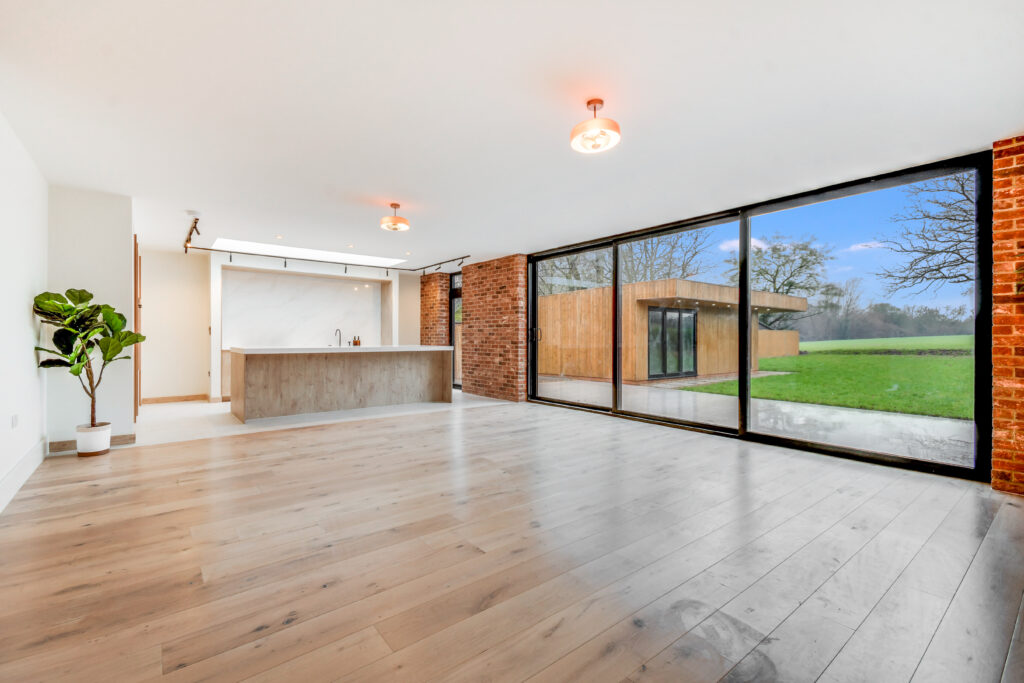
Aluminium is a popular choice for home extensions because its strength allows manufacturers to create relatively slim frames around large glazed panels. This means more glass, less visible framing and a clearer view of the garden.
Siddh Glazing’s aluminium doors are made using extruded aluminium alloy, with powder-coated finishes available in over 200 RAL shades. Thermal breaks help limit heat transfer through the frames, supporting better thermal performance when combined with suitable glazing and installation.
Aluminium is also resistant to warping and corrosion when properly finished and maintained, making it suitable for wide openings with heavy double-glazed units. Depending on the opening and chosen system, homeowners can explore two-, three, or four-panel configurations. Low-threshold options may also provide a smoother transition between indoor and outdoor spaces.
Security is another important consideration. Ask your supplier about multi-point locking, appropriate glazing specifications and the security features available for your chosen door system.
Matching Your Sliding Doors with the Rest of Your Extension Glazing
Sliding doors are often just one part of a larger renovation. A rear extension might also include roof glazing, side windows or improvements to the property’s entrance. Coordinating these elements can help create a consistent appearance while making better use of natural light.
Siddh Glazing offers several complementary products to consider as part of your project:
- uPVC windows: A practical option for side returns and other areas where additional glazing is needed.
- Roof lanterns: Bring overhead daylight into kitchens, dining areas and extended living spaces.
- Curtain walling: Create a striking glazed facade for suitable residential projects.
- Composite doors and porches: Consider these options when updating the entrance alongside a larger renovation.
- Garage doors: Refresh the property’s exterior, particularly when the garage is close to the extension.
- uPVC conservatories: Create a bright transitional space that connects the home with the garden.
Discussing these requirements together can help you coordinate colours, frame styles and installation schedules more effectively.
7 Essentials for Getting Sliding Doors Right in Romford
Before placing your order, discuss these seven considerations with your supplier to help ensure your new doors suit your home and renovation plans.
1. Measure the Structural Opening Accurately
Correct measurements are essential for a secure fit and smooth operation. Errors can lead to alignment problems, gaps or doors that are difficult to open. A professional site survey helps establish the opening dimensions and identify any installation requirements before manufacture begins. Siddh Glazing carries out site surveys as part of its installation process.
2. Specify Thermally Broken Frames
Aluminium frames with thermal breaks help reduce heat transfer between the inside and outside surfaces. Combined with appropriate glazing and weather seals, they can improve overall thermal performance and reduce the risk of condensation under suitable indoor conditions.
3. Choose a Suitable Threshold
Consider how the doors will connect with your internal flooring, patio or decking. A low-profile threshold can create a smoother transition between spaces, although the final design must account for weather protection, drainage, accessibility and the property’s construction.
4. Consider Solar Control Glass
Large glazed doors facing south or west can allow substantial sunlight into a room, potentially causing glare and overheating. Solar control glass may help manage solar gain while maintaining natural light and outdoor views. Discuss the orientation of your extension and your preferred level of daylight with your supplier.
5. Coordinate Frame Colours Inside and Out
Aluminium doors are available in a variety of finishes. Some systems offer dual-colour options, allowing you to choose one colour for the interior and another for the exterior. For example, a lighter internal finish can complement neutral decor, while anthracite grey outside may suit a contemporary facade.
6. Plan Ventilation Alongside Your Glazing
Sliding doors generally do not tilt open like some window designs. Consider how the room will be ventilated, including whether openable side windows or suitable background ventilation are required. Your chosen arrangement should meet applicable building requirements and suit how you use the space.
7. Choose Experienced Installers
Even a high-quality door system can underperform if it is installed incorrectly. The frame must be level and square, with appropriate sealing, drainage and track alignment. Ask about the installation team’s experience, workmanship standards and aftercare arrangements. Siddh Glazing carries out installations using its own team, rather than subcontractors, according to its service information.
Common Sliding Door Problems and How a Good Supplier Can Help Prevent Them
Sliding door problems often result from unsuitable specifications, inadequate preparation or poor installation. Understanding the common issues can help you ask the right questions before committing to a supplier.
1. Doors That Stick or Become Difficult to Slide
Misaligned tracks, debris, worn rollers or an incorrectly installed frame can affect smooth operation. Accurate installation, suitable hardware and routine track cleaning help reduce the risk. Ask your supplier about maintenance requirements and how operational issues are handled after installation.
2. Draughts and Water Ingress
Gaps around the frame, damaged seals or inadequate drainage can allow air or water to enter. Appropriate weather seals, carefully finished installation joints and correctly designed drainage are essential. Ask how the chosen system manages rainwater, particularly if your extension has a low threshold.
3. Condensation and Poor Thermal Performance
Condensation can occur when warm, moist indoor air meets a cold surface. The quality of the glazing, thermal breaks, indoor humidity and ventilation all influence the risk. Discuss the door system’s thermal performance and glazing specifications rather than judging efficiency by frame appearance alone.
4. Overheating and Glare
Large glazed areas can make a room uncomfortably warm during sunny weather, particularly when they face south or west. Solar control glazing, suitable shading and thoughtful room design can help manage the effects. Discuss these options before ordering, as the right specification depends on the orientation and intended use of your extension.
Choosing the Right Sliding Doors Supplier in Romford
The right sliding doors can make a home extension brighter, more practical and better connected to the garden. Achieving the desired result depends on careful planning, suitable glazing, accurate measurements and professional installation. Before making your decision, compare specifications, discuss thermal performance and security, and check that the supplier understands your renovation requirements. Siddh Glazing Ltd supplies and installs aluminium sliding doors alongside a range of complementary glazing products across London and Essex. If you’re looking for a sliding doors supplier Romford homeowners can consider for their next project, explore Siddh Glazing’s options and discuss your requirements with its team.
Frequently asked questions
Do I need planning permission for sliding doors in a Romford extension?
Most rear extensions fall under permitted development, but you should check the Planning Portal or consult your local authority. Building regulations still apply to glazing thermal performance and safety.
Which material is best for sliding doors, aluminium or uPVC?
Aluminium offers slimmer frames and greater strength for wide openings, while uPVC is more budget friendly. For modern extensions, aluminium sliding doors from Siddh Glazing often provide the cleanest look and best durability.
Can Siddh Glazing install sliding doors as part of a full extension glazing package?
Yes, Siddh Glazing supplies and installs aluminium sliding doors along with roof lanterns, uPVC windows, conservatories and curtain walling, so you can coordinate the whole job with one team.
How long does it take to install aluminium sliding doors?
A typical installation takes one to two days depending on the opening size, structural work and number of panels. Siddh Glazing will confirm the schedule after a site survey.
Do sliding doors need trickle vents for ventilation?
Building regulations may require background ventilation, so ask your supplier. Siddh Glazing can advise on trickle vents or openable side windows to meet requirements.