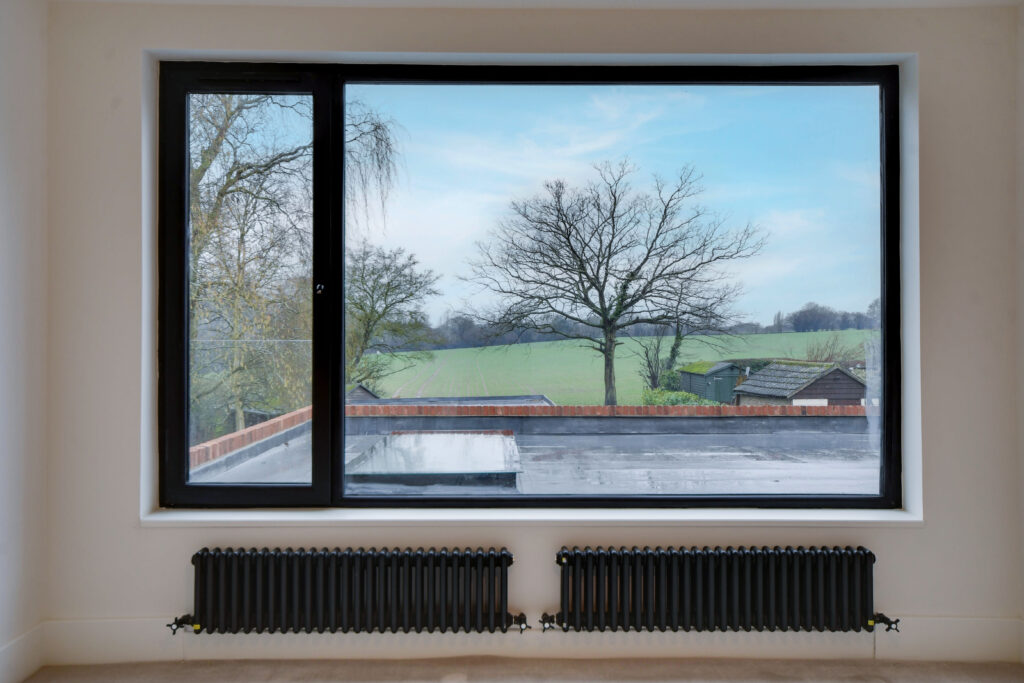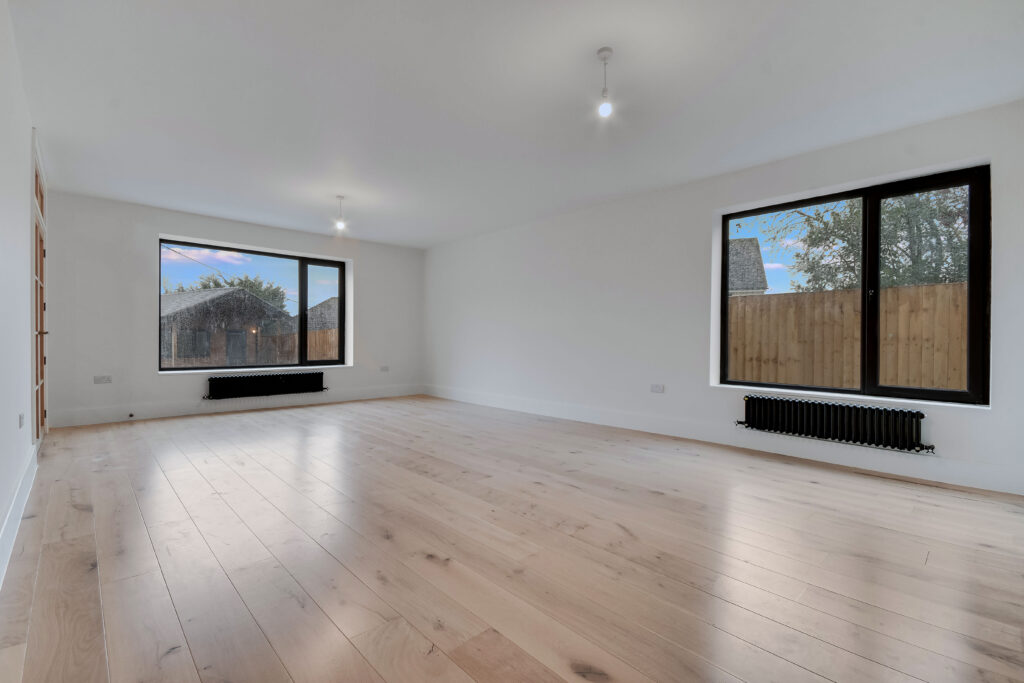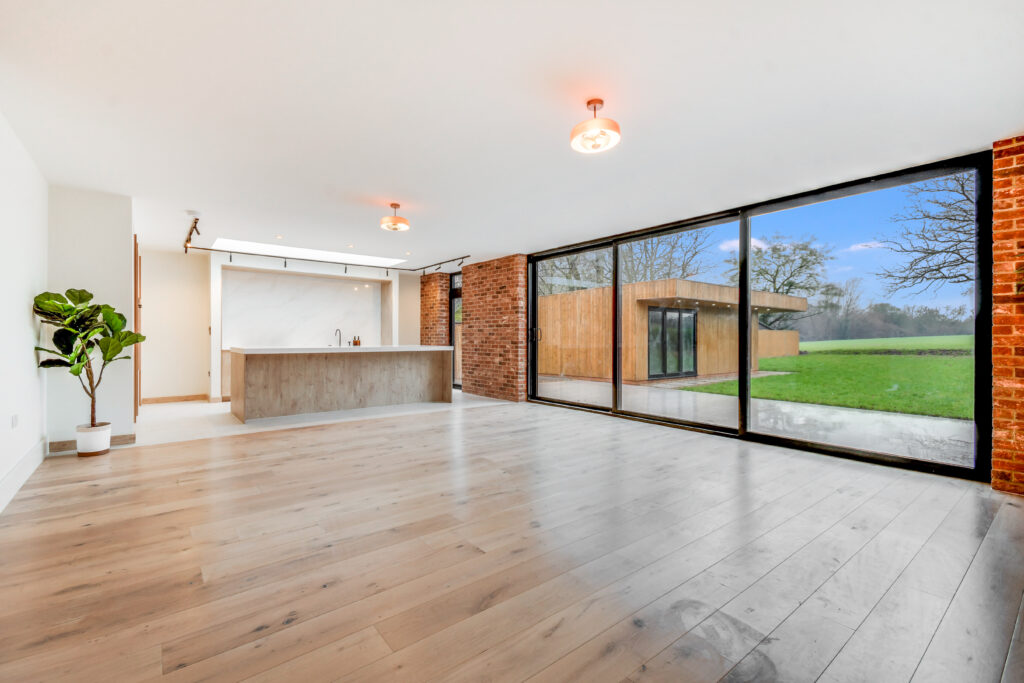

Choosing the right uPVC window installation involves more than selecting a design that complements your home. The style, frame construction, glazing specification and quality of installation all influence how well your windows perform over time. From improving thermal efficiency and reducing external noise to enhancing security and kerb appeal, well-chosen uPVC windows can make a noticeable difference to your living space.
Whether you own a contemporary property or a traditional British home, understanding the available window styles and frame features will help you make an informed decision. This guide explores the key considerations, explains what to expect during installation and highlights how professional fitting contributes to lasting performance.
Understanding uPVC Window Installation
uPVC, or unplasticised polyvinyl chloride, is a durable material widely used for replacement windows across the UK. Its resistance to moisture, rot, and weather-related damage makes it a practical choice for British homes, where windows must withstand changing temperatures and frequent rainfall.
Professional uPVC window installation involves several stages, each contributing to the finished window’s performance and appearance.
A typical installation includes:
- Removing existing windows: The installer carefully removes the old frames and checks the opening for damp, structural damage, or deterioration.
- Preparing the opening: Any necessary adjustments are made to ensure the surface is suitable for the new frame.
- Positioning the frame: The new frame is fitted, packed and checked to ensure it is level, square and correctly aligned.
- Securing the frame: Appropriate fixings are used to attach it securely to the surrounding structure.
- Insulating and sealing: Gaps between the frame and wall are insulated and sealed to minimise draughts and moisture ingress.
- Installing the glazing: Glass units, glazing beads and gaskets are fitted according to the manufacturer’s specifications.
- Adjusting the hardware: Hinges, handles and locking mechanisms are checked to ensure smooth operation.
Every stage matters. Incorrect alignment can affect how a window opens and closes, while inadequate sealing can compromise insulation and weather resistance. In the UK, replacement windows must also comply with applicable building regulations, including requirements relating to energy efficiency and safety.
Choosing the Right uPVC Window Style for Your Home
The right window style should complement your property’s architecture while meeting your practical requirements. Consider the available space, ventilation needs, ease of cleaning and the appearance you want to achieve before making a decision.
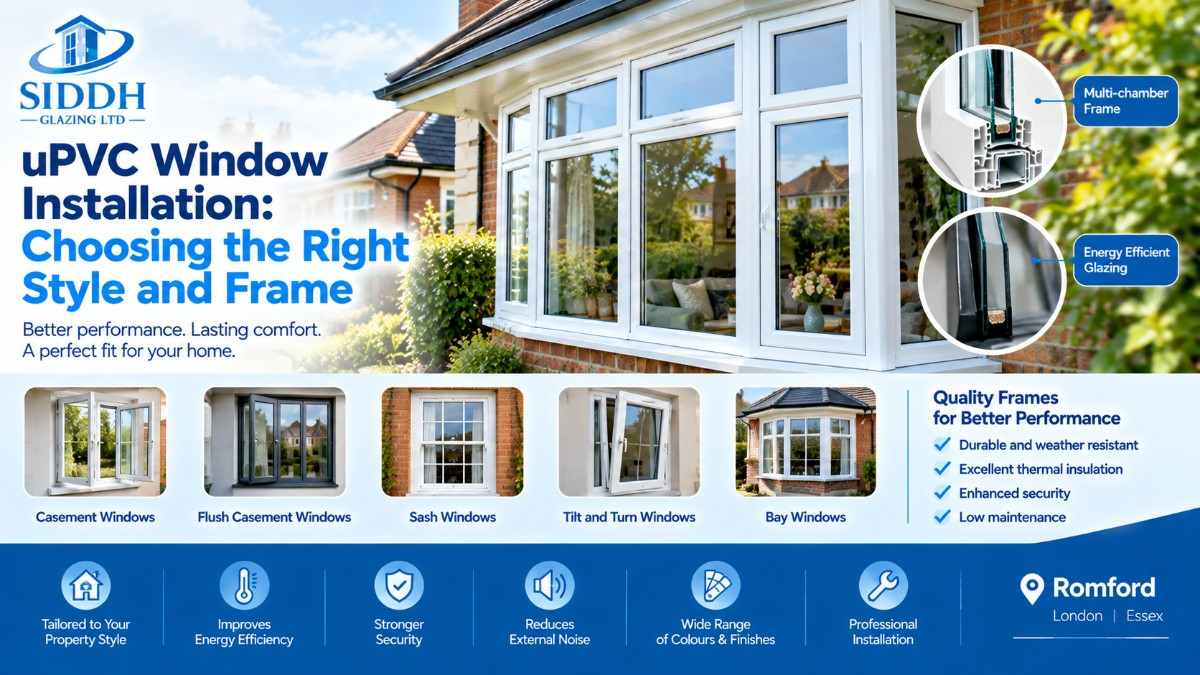
Casement Windows
Casement windows are among the most widely used designs in the UK. Hinged at the side, they open outwards to provide ventilation and are suitable for a variety of property styles. Their versatility makes them a practical option for both modern homes and traditional properties.
Flush Casement Windows
Flush casement windows sit level with the outer frame, creating a neat, understated appearance. Their clean lines work particularly well in contemporary homes, while traditional finishes can complement period properties without compromising their architectural character.
Vertical Sliding Sash Windows
Vertical sliding sash windows are a popular choice for Victorian and Edwardian homes. Their traditional proportions and sliding operation preserve the character of period architecture, making them suitable for homeowners seeking a classic appearance alongside modern glazing performance.
Tilt and Turn Windows
Tilt and turn windows offer two opening options. They can tilt inwards at the top for controlled ventilation or open fully inwards for easier cleaning. This versatility makes them particularly useful in flats, upper-storey rooms and properties where access to the outside of the window is limited.
Bay Windows
Bay windows project outwards from the property’s exterior wall, allowing additional daylight into the room and creating a greater sense of space. They can incorporate multiple window sections and are often found in traditional British homes.
When choosing a style, consider the architectural character of your property, the size of the opening and how the windows will be used daily. Siddh Glazing offers uPVC window options including casement, sash, tilt and turn, flush casement and bay designs. Explore the available styles through its uPVC Windows range.
Selecting the Right uPVC Window Frame
While window style influences appearance and functionality, frame construction plays a significant role in insulation, durability and overall performance. Two windows may look similar externally yet differ considerably in their construction and specifications.
Frame Chambers and Thermal Efficiency
Many uPVC frames contain multiple internal chambers designed to trap air and reduce heat transfer. The number and configuration of these chambers can influence the frame’s thermal performance.
When comparing options, ask about the frame profile, its insulation properties and the overall window U-value. This measures heat transfer through the complete window, including the frame and glazing. A lower U-value generally indicates better thermal insulation.
Frame Reinforcement
Reinforcement can be important for larger windows and wider openings. Steel or aluminium reinforcement may be incorporated into the uPVC profile to improve rigidity and help the frame maintain its shape.
Ask your installer how the selected frame is reinforced and whether its specification is suitable for the dimensions of your windows. Appropriate reinforcement helps maintain alignment and supports the reliable operation of hinges and locking mechanisms.
Double and Triple Glazing
Glazing is another important consideration when choosing uPVC windows.
Double glazing consists of two panes of glass separated by an insulating cavity. It is a common choice for improving thermal performance and reducing external noise compared with single glazing.
Triple glazing adds a third pane and another cavity, potentially providing additional insulation and noise reduction. Its benefits depend on the complete window specification, the property’s location and the conditions the windows need to address.
Low-emissivity coatings and gas-filled cavities, such as those containing argon, can further improve thermal performance. Ask your installer to explain how the glazing specification meets your home’s requirements.
Hardware and Security Features
Window security depends on the complete system, including the frame, glazing, hinges, handles and locking mechanisms.
Look for multi-point locking systems and suitable hinge specifications. Where enhanced security is a priority, ask whether the complete window system has been tested or certified to an appropriate security standard, such as PAS 24.
Safety glazing may also be required in certain locations, particularly where glass is positioned at low level or in areas considered vulnerable to impact. Your installer should identify the relevant requirements and recommend suitable glazing.
How to Compare uPVC Window Installation Quotes
When reviewing installation proposals, focus on the specifications and work included rather than comparing headline figures alone. Clear documentation helps you understand precisely what will be installed and how the work will be completed.
Check that each proposal specifies:
- The window style, frame profile, colour and glazing configuration.
- The thermal performance and relevant product standards.
- The removal and disposal of existing windows.
- The preparation of window openings and any necessary remedial work.
- Internal finishing, including plaster repairs where applicable.
- External trims, insulation and weatherproof sealing.
- Guarantees covering the frames, glazing and installation workmanship.
- The arrangements for aftercare and resolving installation issues.
It is also worth asking how unexpected problems will be handled. Damp, damaged masonry or uneven openings can affect the installation process, so understanding how additional work is assessed helps avoid misunderstandings.
A reliable installer should explain the specification clearly, answer your questions and provide written confirmation of the agreed work.
What to Expect on Installation Day
Understanding the installation process can help you prepare your home and recognise the signs of professional workmanship.
Before work begins, installers should take reasonable precautions to protect floors, furniture and nearby surfaces. Depending on the number and location of the windows, the team may work room by room to minimise disruption and keep the property secure throughout the process.
Once the frames are installed, check that they appear straight and sit correctly within the openings. The surrounding gaps should be appropriately insulated and sealed, with internal and external finishes completed neatly.
Before the installers leave, ask them to demonstrate how each window operates. Open and close the sashes, test the handles and locks, and check that the moving sections operate smoothly without excessive force.
You should also confirm that the work area has been cleared and that you have received the relevant product documentation, guarantees and maintenance guidance.
Maintaining Your uPVC Windows After Installation
One of the advantages of uPVC windows is that they require relatively little maintenance. However, a few simple habits can help preserve their appearance and functionality.
Clean the frames periodically with warm water and a mild, non-abrasive detergent. Avoid harsh chemicals, solvent-based products and abrasive cleaning pads that could damage the surface.
Keep drainage channels clear of dirt and debris to allow water to escape correctly. Check the seals for visible deterioration and ensure the hinges and locking mechanisms continue to operate smoothly.
If a window becomes difficult to open, close or lock, contact your installer rather than forcing the mechanism. Timely adjustments can help prevent further wear and maintain the window’s performance.
Keep all guarantees and installation documents in a safe place so that you can refer to them if maintenance or repairs become necessary.
Integrating uPVC Windows into a Wider Home Renovation
If you are renovating or extending your home, consider how your windows will work alongside other architectural features. A coordinated approach can create a more consistent appearance while helping you plan glazing, insulation and ventilation effectively.
For example, a kitchen extension or garden room may benefit from a roof lantern that introduces natural daylight from above. If you are replacing external doors at the same time, a composite door can provide a complementary finish and a solid, insulated construction. Aluminium doors may also suit contemporary spaces where slim sightlines and larger glazed areas are preferred.
A uPVC conservatory can extend your living space while maintaining visual continuity with the main property. Matching frame colours and considering glazing specifications across the different elements can help create a cohesive finish.
Discuss the wider renovation plans with your installer before finalising your window selection. This allows you to consider proportions, opening configurations, ventilation and the relationship between different glazing elements from the outset.
Why Professional uPVC Window Installation Matters
Even high-quality windows may underperform if they are installed incorrectly. Poor alignment, inadequate insulation around the frame and ineffective sealing can lead to draughts, moisture ingress and difficulties with opening or closing.
Choosing an experienced installer helps ensure that the windows are measured, specified and fitted appropriately for your property. Look for a company that provides a clear installation process, explains product specifications and offers dependable aftercare.
Siddh Glazing has over 15 years of experience installing windows, doors, conservatories and glazing systems across London, Essex and the wider UK. The company highlights its five-star Google rating and more than 20 industry awards, reflecting its stated commitment to quality and customer service.
Its team manages the process from the initial survey and product specification through to installation and aftercare. This gives homeowners a clear point of contact for questions, adjustments and support after the work is completed.
Conclusion
Choosing the right uPVC window installation starts with understanding your property’s architectural style, insulation requirements and everyday needs. From selecting suitable window designs to evaluating frame construction, glazing and security features, every decision contributes to the final result. Equally, professional fitting ensures that your windows perform as intended and remain easy to maintain. Take time to compare specifications, discuss your requirements with an experienced installer, and clarify the work included before proceeding. With careful planning and the right installation team, uPVC windows can enhance your home’s comfort, security and appearance for years to come. Contact Siddh Glazing to discuss your requirements, explore its uPVC window range, and arrange a survey tailored to your property.
Frequently asked questions
How long does uPVC window installation take?
A single window is usually fitted in one to two hours, while a full house of six to eight windows is typically completed in one day. Larger bays or unusual shapes can add time, so your installer should confirm the schedule in advance.
Do I need planning permission for new uPVC windows?
Most replacements fall under permitted development, but flats, listed buildings, and conservation areas often need approval. Check with your local planning authority before ordering, and ask your installer what documentation they provide.
What is the best uPVC window frame for a period home?
Flush casement and vertical sliding sash styles suit period properties best because they sit level with the wall and copy traditional proportions. Siddh Glazing supplies both styles in British-made uPVC with double or triple glazing.
How do I know if my uPVC windows were installed properly?
Check that the frame is square, the opening and closing action is smooth, and there are no draughts around the edges. A reputable installer will also leave you with guarantees and care instructions.