
It usually starts quite simply. A frame begins to swell slightly during monsoon months, or a door that once shut cleanly now needs a bit of force. Nothing dramatic at first, just small signs. But over time, those small things add up. That is when material choice stops being theoretical and becomes very real. In most home improvement projects today, especially across the UK, conversations around Durable window materials and the best exterior door materials are happening much earlier than before.
There is also a shift in what people expect. It is no longer just about how something looks when installed. The focus is moving towards how it holds up after five, ten, even fifteen years. That is where Energy efficient windows and doors come into the picture, not only for energy savings but for long term structural performance. Materials like uPVC windows and doors, aluminium windows and doors, and steel doors for home use are being evaluated with that mindset. Not perfect solutions, but more predictable ones.
Choosing the right durable window materials for long term use
When selecting Durable window materials, the conversation tends to move beyond surface strength quite quickly. What matters more is how the material behaves over time. Weather resistant window frames are expected to deal with moisture, UV exposure, and constant expansion and contraction without losing form.
uPVC window durability is often highlighted in this context. The material does not absorb water, and it holds its shape reasonably well even in damp conditions. That makes uPVC windows and doors a practical choice for homes where maintenance needs to stay low. At the same time, aluminium windows and doors are known for structural stability, especially in larger openings.
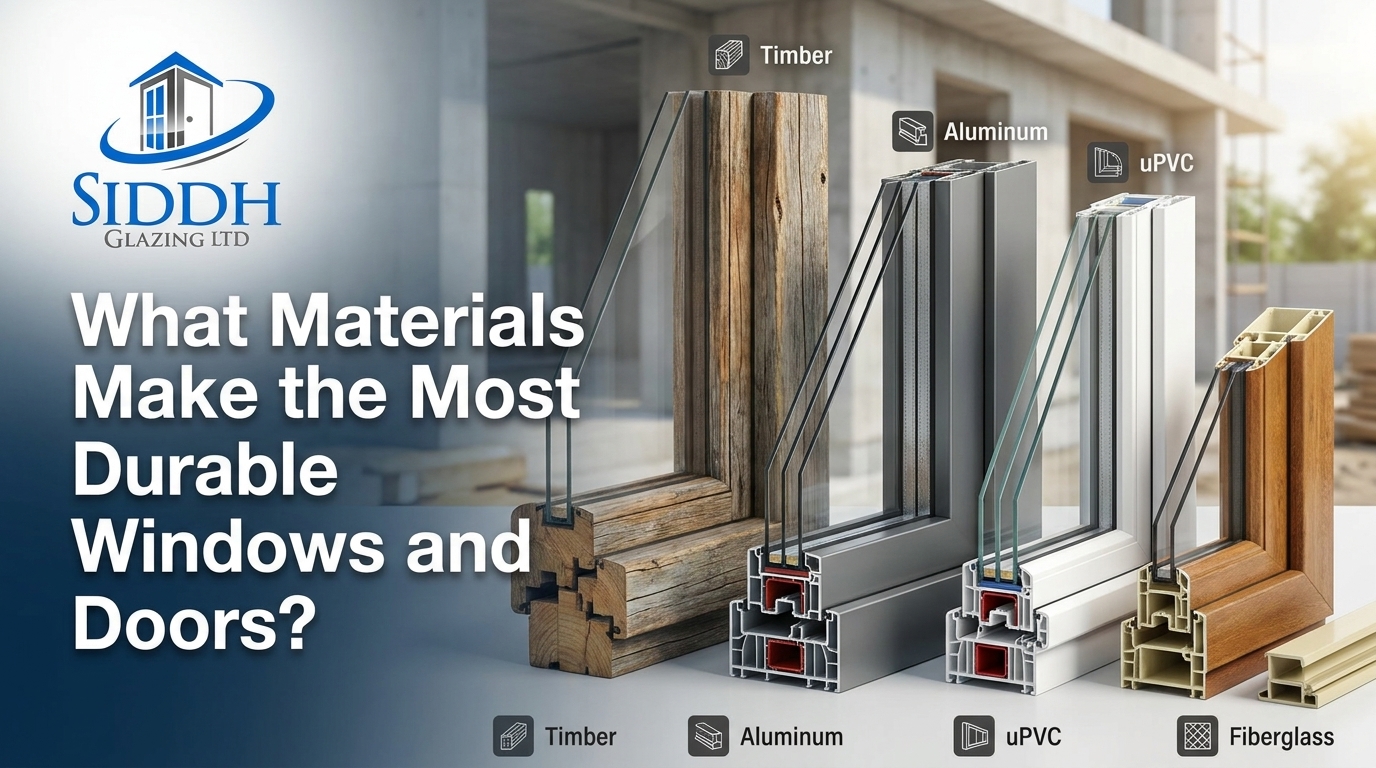
The comparison of Aluminum vs wood windows still comes up, particularly in renovation projects. Timber has its place, no doubt. But wooden doors durability and window performance depend heavily on upkeep. Without regular treatment, the material tends to degrade faster than most Durable window materials available today.
Comparing uPVC windows and doors with aluminium options

There is no clear winner when comparing uPVC windows and doors with aluminium windows and doors, which is probably why the discussion continues. Each material solves a slightly different problem.
uPVC windows and doors are often chosen for insulation. They support Energy efficient windows and doors by limiting heat transfer through both frame and glazing compatibility. uPVC window durability also contributes here, since the frames maintain tight seals over time without significant distortion.
Aluminium windows and doors, on the other hand, are more about strength and scale. They allow for larger glass panels and slimmer sightlines. In the context of Aluminum vs wood windows, aluminium tends to require less maintenance and performs more consistently over time.
In practice, both materials fall under Durable window materials. The decision usually depends on whether insulation or structural flexibility is more important for the specific project.
You May Also Like:- What Are the Top Window and Door Design Trends for 2026?
Why aluminium windows and doors offer strength and longevity
Aluminium windows and doors have become quite common in projects where durability is non negotiable. The material itself is resistant to corrosion, and it does not warp or crack with temperature changes. That alone makes it one of the more stable Durable window materials.
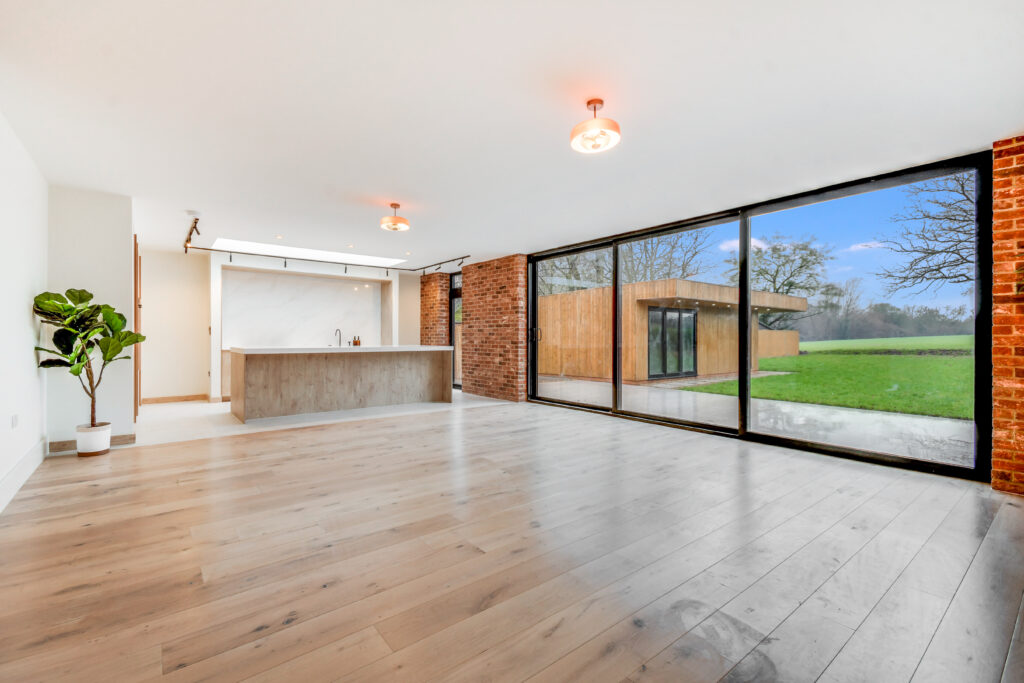
Another factor is how well aluminium handles load. For wider spans or floor to ceiling glazing, it performs better than many alternatives. This is why aluminium windows and doors are often seen in contemporary builds where openness is part of the design.
Surface treatments also play a role. Powder coating and anodised finishes protect the material from environmental exposure. Compared within Aluminum vs wood windows discussions, aluminium tends to show fewer signs of wear over time, particularly in areas exposed to weather.
How Energy efficient windows and Doors Save Money
Energy efficient windows and doors are often discussed in terms of cost savings, but the benefits are not always immediate. It builds over time. Reduced heat loss in winter, less heat gain in summer, and more stable indoor temperatures overall.
Energy efficient windows typically use double or triple glazing along with insulated frames. This reduces the workload on heating and cooling systems. Over months and years, that translates into lower energy usage.
Both uPVC windows and doors and aluminium windows and doors are engineered to meet these requirements. Multi chamber profiles in uPVC and thermal breaks in aluminium systems contribute to overall performance. That is why Energy efficient windows and doors are now considered a standard requirement rather than an upgrade.
Benefits of steel doors for home security and durability
Steel doors for home use are often chosen for one reason first, security. The material is strong, and it resists forced entry better than most alternatives. But security is not the only factor.
Steel doors for home applications also perform well in terms of durability. They are less affected by moisture and temperature changes compared to timber. This makes them suitable for Long lasting front doors where reliability is important.
When comparing the best exterior door materials, steel usually ranks high because of its consistency. Wooden doors durability can vary depending on treatment and exposure, but steel tends to behave more predictably. That predictability is often what homeowners are looking for.
How energy efficient windows improve performance and lifespan
Energy efficient windows do more than reduce energy consumption. They also help extend the lifespan of the window system itself. By reducing thermal stress, materials are less likely to expand and contract excessively.
This has a direct impact on durability. Seals remain intact for longer, frames maintain alignment, and glazing units perform consistently. Energy efficient windows therefore support both comfort and longevity.
Materials such as uPVC windows and doors and aluminium windows and doors are commonly used in these systems. Their structural properties align well with the requirements of Energy efficient windows, making them suitable for long term applications.
You May Also Like:- Choosing the Right Glass for Maximum Privacy in Your Home
Investing in Long lasting front doors for security
Front doors experience constant use. Opening, closing, exposure to weather, and daily wear. Over time, weaker materials begin to show signs of fatigue.
Long lasting front doors are designed to handle this level of use without significant deterioration. When evaluating the best material for doors, it becomes important to consider both strength and maintenance requirements.
Steel doors for home use offer durability and security, while engineered wood options provide visual warmth with improved stability. Wooden doors durability, however, still depends on proper care. Without it, performance may decline.
Choosing Long lasting front doors is less about appearance alone and more about ensuring consistent performance over time. When combined with Durable window materials and Energy efficient windows and doors, it creates a more resilient overall structure.
FAQs
What are the most reliable durable window materials for long term use?
Durable window materials such as uPVC and aluminium are widely considered reliable due to their resistance to weather exposure and low maintenance requirements. uPVC window durability is particularly effective in moisture heavy environments, while aluminium offers strength for larger window systems.
How do uPVC windows and doors compare with aluminium windows and doors?
uPVC windows and doors are known for better insulation and support for Energy efficient windows and doors. Aluminium windows and doors provide structural strength and allow for larger glazing areas. The choice depends on project requirements and design priorities.
Are steel doors for home use better than wooden doors in terms of durability?
Steel doors for home use generally offer higher durability and security compared to timber. Wooden doors durability depends on maintenance and environmental exposure, whereas steel provides more consistent performance over time.
Why are Energy efficient windows and doors important for homeowners?
Energy efficient windows and doors help reduce heat transfer, improve indoor comfort, and lower energy consumption. Over time, this leads to cost savings and improved performance of the overall building envelope.
What is considered the best material for doors in modern construction?
The best material for doors depends on usage and environment. Steel doors for home security, engineered wood for aesthetics, and composite materials for balanced performance are commonly used. Each option offers different benefits in terms of durability and maintenance.