
Pinpointing the exact double glazing installation cost UK homeowners will pay is rarely straightforward. Every property is different, and quotes can vary significantly depending on a handful of factors that many people do not consider until they receive an estimate. Understanding what affects the price can help you budget more effectively and avoid surprises later on. Whether you are replacing a single draughty window or upgrading every window in your home, knowing the main cost drivers will help you make informed decisions.
What Influences Double Glazing Installation Cost?
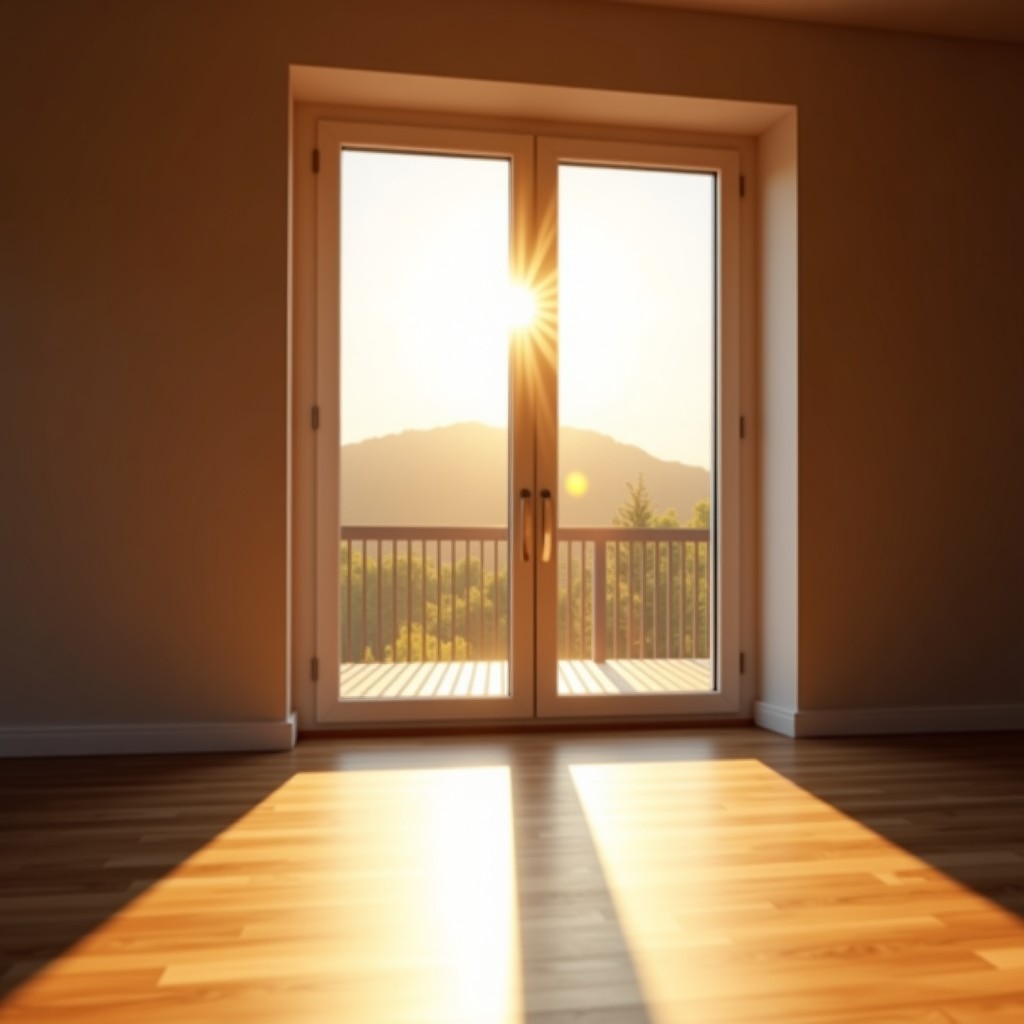
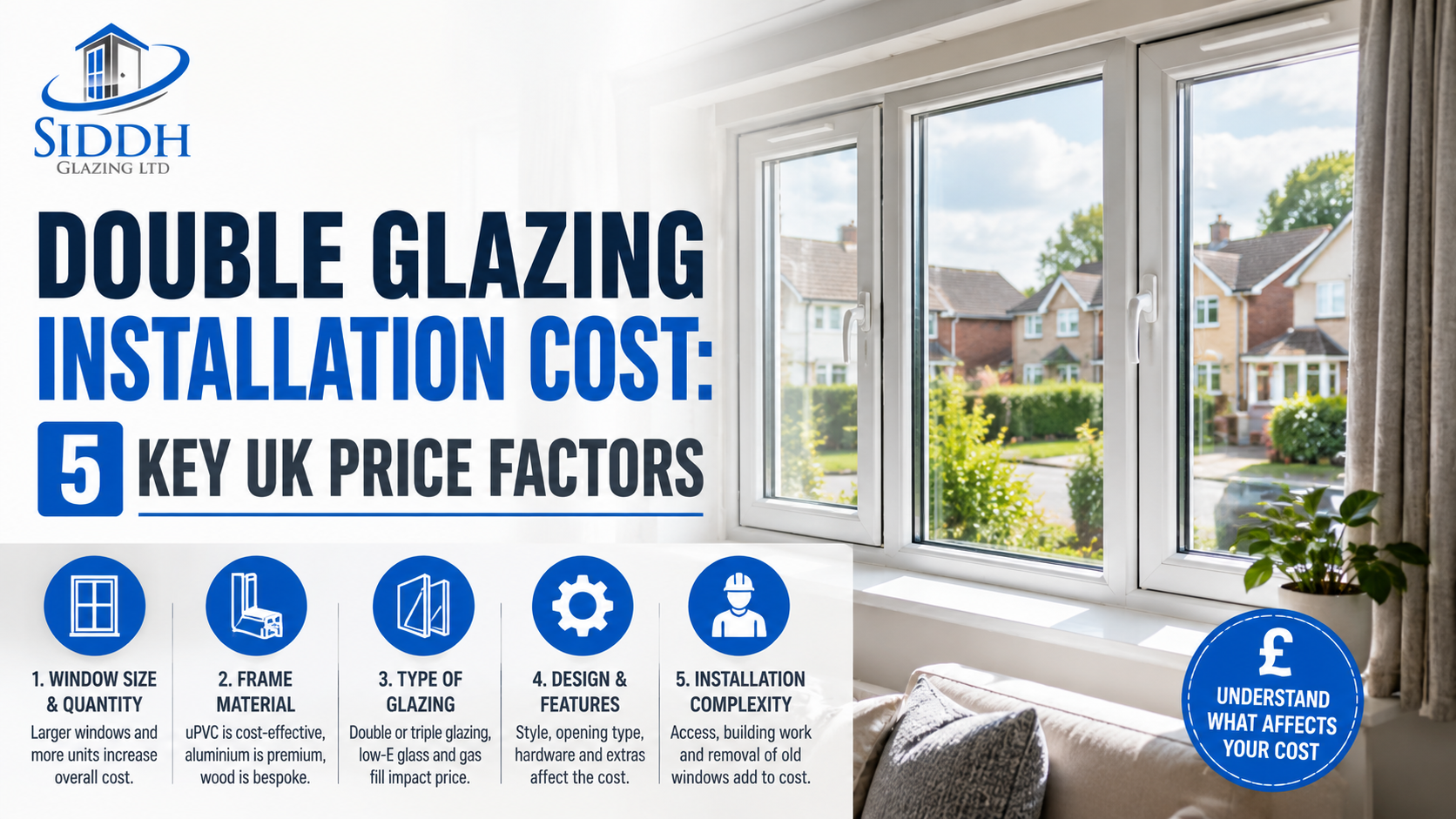
Before requesting a quote, it helps to understand what installers assess when pricing a project. These are the five biggest factors that influence the final cost, and with the right choices, you can often keep your investment within budget.
1. Window Size and Quantity
The most obvious cost driver is the scale of the project. A small bathroom window will cost considerably less than a large bay window or a set of floor-to-ceiling units. Larger windows require more glass, bigger frames, and additional labour to transport and install safely.
The number of windows being replaced also affects the overall price. While a whole-house replacement naturally costs more than fitting a single window, many installers offer discounts for larger projects, helping to reduce the cost per unit.
According to the Energy Saving Trust, upgrading to energy-efficient double glazing can significantly reduce heat loss through windows, helping homeowners save on energy bills over the long term. While replacing multiple windows requires a larger upfront investment, the potential savings can make it worthwhile.
2. Frame Material Choice
The type of frame selected has a major impact on cost. uPVC remains the most popular option across the UK thanks to its affordability, durability, low maintenance requirements, and excellent thermal performance.
Aluminium frames offer a sleek, contemporary appearance and exceptional strength but generally come at a higher price point. Timber windows provide traditional charm and character but are often the most expensive option and require ongoing maintenance to preserve their appearance.
For many homeowners, uPVC offers the best balance between cost, performance, and longevity, making it a practical choice for modern double-glazing projects.
3. Glazing Type and Energy Rating
Not all glazings perform equally. Standard double glazing consists of two panes of glass separated by an insulating gap. However, more advanced systems may include Low-E coatings, argon gas filling, and warm-edge spacer bars.
These features improve thermal efficiency and can increase Window Energy Ratings (WER) to A or A++, helping to reduce heat loss and improve indoor comfort. While higher-performance glazing increases the initial investment, it can lead to lower heating costs and a more comfortable home throughout the year.
When calculating your double glazing installation cost, the specification of the glazing itself can make a noticeable difference to the final quote.
4. Installation Complexity
The ease or difficulty of the installation plays a significant role in pricing. Straightforward replacements on accessible ground-floor windows are generally less expensive than installations requiring specialist access equipment or scaffolding.
Additional costs may arise if existing frames are damaged, surrounding brickwork requires repairs, or structural alterations are necessary. Homes located within conservation areas or listed buildings may also require bespoke designs or planning considerations, increasing both material and labour costs.
A thorough survey before installation helps identify these challenges early and ensures a more accurate quotation.
5. Additional Features and Upgrades
Optional upgrades can enhance the appearance, comfort, and security of your home, but they also increase costs. Popular extras include:
· Georgian bars and decorative glazing
· Leaded glass designs
· Woodgrain-effect finishes
· Acoustic glass for noise reduction
· Enhanced security locking systems
· Triple glazing
The key is determining which upgrades provide genuine value for your property and lifestyle. For example, acoustic glazing may be particularly beneficial for homes near busy roads, while advanced security features can provide additional peace of mind.
Choosing the Right Installer
Price is important, but it should not be the only factor when comparing quotations. Homeowners should also consider product quality, installation standards, warranties, aftercare support, and the reputation of the installer.
Experienced installers will carry out a detailed survey, explain available options clearly, and provide transparent pricing without hidden charges. Taking the time to compare several quotations can help ensure you receive the best overall value rather than simply the lowest price.
About Siddh Glazing
With more than 15 years of industry experience and over 20 awards, Siddh Glazing provides a wide range of home improvement solutions, including uPVC windows, composite doors, aluminium doors, conservatories, roof lanterns, curtain walling, porches, and garage doors. The company focuses on delivering high-quality products, professional installation, and expert guidance to help homeowners choose solutions that suit both their property and budget.
Wrapping it up!
Understanding the factors that influence your double glazing installation cost is essential when planning a window replacement project. Window size, frame materials, glazing performance, installation complexity, and optional upgrades all contribute to the final price. By considering these elements carefully and comparing quotations based on quality as well as cost, homeowners can make informed decisions that improve energy efficiency, comfort, and long-term property value. Investing in the right double-glazing solution today can provide benefits for many years to come.
Frequently asked questions
What is the average double glazing installation cost in the UK?
The average cost for double glazing installation in the UK ranges from £500 to £1,200 per window, depending on size, frame material, and glazing specifications. For a typical three-bedroom house, total costs may fall between £3,000 and £8,000.
How much can double glazing save on energy bills?
Installing double glazing can save a detached home up to £110 per year on energy bills, according to the Energy Saving Trust. Exact savings depend on your existing windows and heating habits.
Is double glazing worth the investment?
Yes, double glazing improves energy efficiency, reduces noise, and increases property value. It typically pays for itself within a few years through lower heating costs.
What factors affect double glazing installation cost?
Key factors include window size, frame material (uPVC, aluminium, or timber), glazing type (A-rated vs. standard), installation complexity, and the number of windows being replaced.
Can I get a precise quote before committing?
Absolutely. Siddh Glazing provides free, no-obligation surveys and detailed quotes so you know exactly what to expect before work begins.