
Contemporary windows are transforming UK homes, offering a perfect blend of sleek aesthetics, energy efficiency, and functionality. Whether you are renovating an existing property or building a new home, modern window designs can dramatically enhance your living space.
From expansive picture windows and slimline aluminium frames to versatile tilt and turn designs, today’s contemporary windows offer plenty of options to suit different architectural styles and practical requirements. In this guide, we explore seven modern window designs, along with the latest materials, glazing options, and considerations to help you choose the ideal contemporary windows for your property.
7 Modern Contemporary Window Designs for UK Homes
Contemporary windows are available in a variety of styles, each offering its own combination of aesthetics, ventilation, natural light, and functionality. Here are seven popular designs to consider for your UK home.
1. Picture Windows
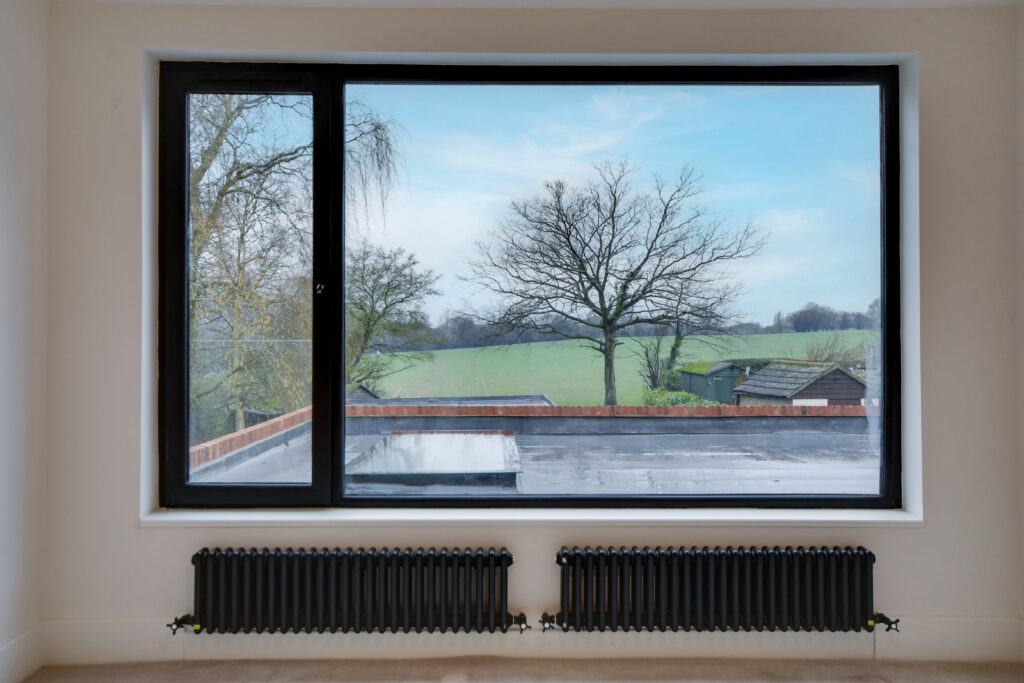
Picture windows feature large, fixed panes of glass designed to maximise natural light and provide uninterrupted views. As they do not open, they are particularly well suited to living rooms, dining areas, and extensions where the priority is creating a bright, open feel.
Their clean appearance works especially well with contemporary architecture, while larger panes can help create a stronger connection between indoor and outdoor spaces. Picture windows can also be combined with opening windows to provide both expansive views and ventilation.
2. Tilt and Turn Windows
Tilt and turn windows offer two opening options. They can tilt inwards from the top for controlled ventilation or open fully inwards when greater airflow is required.
This versatility makes them particularly useful in bedrooms, kitchens, and modern extensions. Their simple, uncluttered appearance also complements contemporary interiors, while the inward-opening design makes cleaning the glass from inside the property easier.
3. Sliding Windows
Sliding windows open horizontally along a track, providing smooth operation without requiring additional space inside or outside the property. Their streamlined appearance makes them a natural choice for contemporary homes.
They can work particularly well in kitchens, bedrooms, living rooms, and other areas where space is limited. Sliding windows can also provide generous openings for ventilation while maintaining a clean, modern aesthetic.
4. Casement Windows
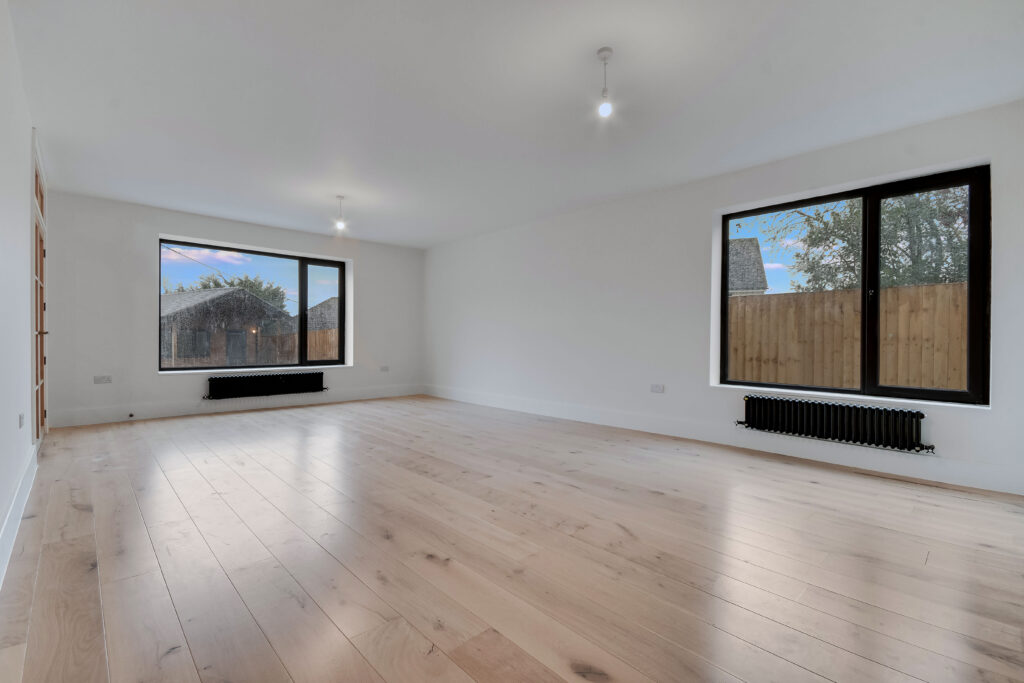
Casement windows are hinged at the side and open outwards or inwards, depending on the configuration. They offer excellent ventilation and clear views, while their straightforward design works well with a wide range of contemporary properties.
A casement window with a slim frame can create a crisp, modern appearance while allowing plenty of daylight into the room. They are also available in different materials, colours, and glazing options to suit individual requirements.
5. Bi-fold Windows
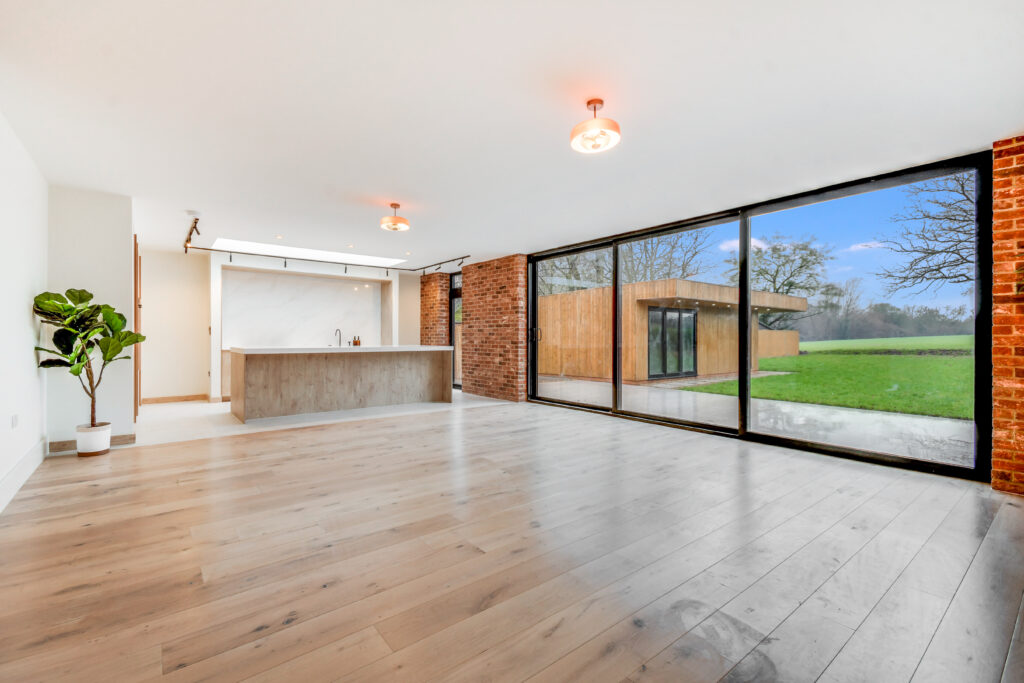
Bi-fold windows consist of multiple panels that fold neatly to one or both sides, creating a wide opening between your home and garden. They are particularly popular in kitchens, dining areas, and living spaces where homeowners want to create a seamless transition between indoors and outdoors.
When fully opened, bi-fold windows can transform an entire section of a wall, making them an excellent choice for entertaining and enjoying garden spaces during warmer months.
6. Corner Windows
Corner windows wrap around the corner of a room, creating an expansive glazed area that can make interiors feel larger and more open. They are an eye-catching option for contemporary extensions and new-build homes.
By opening up two sides of a room to natural light and outdoor views, corner windows can create a striking architectural feature while helping to maximise the sense of space.
7. Roof Windows and Skylights
Roof windows and skylights introduce natural light from above, making them ideal for loft conversions, extensions, kitchens, hallways, and rooms with limited wall space.
Modern roof glazing can combine attractive design with strong thermal performance, helping to brighten darker areas while adding an architectural feature to your home. When paired with contemporary wall windows, they can create a particularly light and airy interior.
What Defines Contemporary Windows?
Contemporary windows are characterised by simplicity, clean lines, and a focus on maximising natural light. Unlike more traditional designs, they often feature large panes of glass, minimalistic frames, and modern materials such as aluminium or uPVC.
These windows are designed to create a seamless connection between indoor and outdoor spaces, making rooms feel brighter and more open.
What truly sets contemporary windows apart, however, is their ability to adapt to modern living. They are not simply functional elements; they can also become architectural features that reflect a homeowner’s preference for clean, uncluttered design.
Whether you live in a sleek city apartment, a suburban family home, or a period property with a contemporary extension, modern windows can be tailored to suit your requirements, offering both form and function.
Key Features of Modern Window Designs
Clean Lines and Minimalism
Modern windows prioritise clean, simple lines, avoiding unnecessary ornamentation. This minimalist approach enhances the overall appearance of a home and complements contemporary architecture.
The absence of bulky frames and decorative details allows the glass to take centre stage, creating a sleek and uncluttered look that can remain stylish for years to come.
For example, a casement window with a slim aluminium frame can provide a crisp, geometric outline that suits a modern extension. Similarly, a fixed picture window with no visible opening mechanism can create a seamless glass surface that makes a strong visual statement.
This focus on simplicity can also make cleaning and maintenance easier, as there are fewer decorative details where dirt can accumulate.
Maximising Natural Light
Large glass areas, floor-to-ceiling windows, and open-plan layouts can allow sunlight to flood interiors, creating bright and airy environments. Expansive glazing can also blur the boundary between inside and outside, making it particularly effective for homes overlooking gardens or landscaped spaces.
To maximise natural light, consider combining different window styles. For instance, a sliding window could be paired with a fixed picture window to create a larger glazed area. In a kitchen, a tilt and turn window could be positioned above the sink to provide both daylight and ventilation.
The key is to consider how sunlight enters your home throughout the day and position your windows accordingly.
Energy Efficiency
Contemporary windows incorporate advanced technologies such as double or triple glazing and low-emissivity glass. These features can help regulate indoor temperatures, keeping homes warmer during winter and cooler during summer while reducing reliance on heating and cooling systems.
Triple glazing consists of three panes of glass with two insulating gaps, providing enhanced thermal performance compared with traditional single glazing and many double-glazed options.
Low-emissivity, or Low-E, glass features a special coating that helps reflect heat back into the room while allowing natural light to pass through. This can help reduce heat loss during colder months.
When choosing energy-efficient windows, it is important to consider the glazing specification, frame material, installation quality, and overall window performance rather than focusing on one feature alone.
Innovative Frame Materials
Frames made from aluminium, uPVC, or timber-aluminium composites can provide durability, energy efficiency, and a contemporary appearance.
Aluminium, for example, allows for slim profiles that maximise the glazed area. Its strength also means it can support larger panes of glass without requiring excessively bulky frames.
uPVC frames are known for their thermal performance, durability, and low maintenance requirements. They are available in a wide range of colours and finishes, including woodgrain effects.
Timber-aluminium composite frames combine the natural appearance of timber on the interior with the durability of aluminium on the exterior. This can provide a balance of aesthetics, insulation, and weather resistance.
Each material has its own advantages, so your choice should take into account your priorities, including appearance, budget, energy efficiency, maintenance, and longevity.
Materials for Contemporary Windows
uPVC Windows
uPVC is a cost-effective, low-maintenance option that offers good thermal performance. At Siddh Glazing, our uPVC windows are British-made and available in various styles, providing durability and energy efficiency for UK homes.
uPVC is also resistant to rot, corrosion, and pests, making it a practical choice for homeowners looking for long-lasting windows with relatively little maintenance.
One of the key advantages of uPVC is its versatility. It can be manufactured in a wide range of shapes and sizes, including bespoke designs for unusual openings. Modern uPVC windows can also feature woodgrain finishes, providing the appearance of timber without the same maintenance requirements.
Aluminium Windows
Aluminium windows are renowned for their slim profiles and strength, making them particularly well suited to contemporary designs. They are durable, recyclable, and require minimal upkeep.
For a modern aesthetic, consider our aluminium windows and doors, which combine sleek lines with strong performance. Aluminium is also available in a wide range of colours, including bespoke RAL shades, allowing you to coordinate your windows with your home’s exterior.
Another advantage of aluminium is its recyclability. The material can be recycled repeatedly without losing its fundamental properties, making it an attractive option for homeowners considering the environmental impact of their building materials.
Because aluminium is strong, window frames can be manufactured with slimmer profiles. This allows for larger areas of glass and more natural light, making aluminium a popular choice for contemporary homes and architectural projects.
Timber-Aluminium Composite Windows
Timber-aluminium composite windows combine the warmth and natural appearance of timber inside with the durability of aluminium outside.
The timber interior can create a warm, comfortable feel, while the external aluminium layer provides protection against the elements and reduces the need for regular painting or staining.
Composite windows can also offer strong thermal performance and are available in a range of timber finishes and colours. Although they can cost more than uPVC or standard aluminium windows, they can provide a premium appearance and long-term durability.
They can be particularly suitable for high-end renovations, contemporary extensions, and properties where homeowners want to combine modern performance with natural materials.
Enhancing Your Home with Contemporary Glazing
Contemporary glazing extends beyond standard windows and can transform the overall appearance and feel of your home.
Consider adding a roof lantern to flood a hallway, kitchen, or extension with natural light, or a uPVC conservatory to create a bright and versatile additional living space. For a striking entrance, composite doors can combine security, durability, and contemporary style.
Roof lanterns can add architectural interest to a flat roof or single-storey extension. They can be installed above a kitchen, dining area, or other living space to create a focal point while introducing daylight from above.
Similarly, a conservatory can provide a dedicated space for relaxation, dining, entertaining, or working from home. When combined with contemporary windows, these glazing solutions can make your property feel brighter, more spacious, and more connected to the outdoors.
The Importance of Professional Installation
Regardless of the style or material you choose, professional installation is crucial for ensuring the performance and longevity of your windows.
Poorly fitted windows can contribute to draughts, condensation, water ingress, and heat loss. At Siddh Glazing, we have over 15 years of experience installing contemporary windows across the UK, helping homeowners achieve a precise fit and professional finish.
Professional installation can also help ensure that your windows meet relevant building regulations and manufacturer specifications. Correct sealing and installation techniques are essential for reducing air leakage and preventing water ingress.
An experienced installer can also advise you on suitable glazing, hardware, security features, and acoustic performance based on your property’s requirements.
By investing in professional installation, you can help ensure that your contemporary windows perform as intended for years to come.
Cost Considerations for Contemporary Windows
The cost of contemporary windows varies depending on factors such as size, material, glazing specification, style, and installation requirements.
Generally, uPVC windows are among the more affordable options, while aluminium and timber-aluminium composite windows tend to sit at a higher price point. However, the initial cost should be considered alongside factors such as durability, maintenance, energy efficiency, and expected lifespan.
When budgeting for new windows, remember to account for installation costs as well. Replacing windows in a period property may require additional work to achieve a suitable fit, while installations in new-build properties may be more straightforward.
You may also want to consider additional features such as bespoke colours, decorative glass, enhanced security hardware, and specialist glazing.
For a detailed breakdown of potential costs, see our guide on double glazing installation costs. For an accurate estimate, it is best to request a quotation from a reputable installer who can assess your property’s specific requirements.
Contemporary Windows and Property Value
Upgrading to contemporary windows can enhance your home’s kerb appeal, comfort, and overall desirability. Modern, energy-efficient windows can be an attractive feature for prospective buyers, particularly as energy performance becomes an increasingly important consideration for UK homeowners.
New windows can also improve the overall appearance of a property, reduce draughts and external noise, and provide enhanced security through features such as multi-point locking systems.
Improved thermal efficiency can contribute to a more comfortable home throughout the year, while contemporary designs can give older properties a refreshed appearance and complement modern extensions.
For more information, learn how uPVC windows can help houses sell better in our detailed insights.
Choosing the Right Contemporary Windows for Your Home
When selecting contemporary windows, consider your property’s architectural style, available space, budget, energy efficiency requirements, and personal preferences.
Start by assessing your home’s existing design. If you have a period property, you may want to choose windows that complement its character while still offering modern performance. Timber-aluminium composite windows can be an option where you want to combine a traditional interior appearance with contemporary durability.
For a modern extension or new-build property, aluminium or uPVC windows with slim profiles can provide a clean, contemporary finish.
Next, consider your budget and how much you are willing to invest. Higher-quality materials and advanced glazing may have a greater upfront cost but can offer benefits in terms of thermal performance, durability, maintenance, and long-term value.
It is also worth considering how each window style will be used. Picture windows are ideal for maximising views and daylight, while casement and tilt-and-turn windows can provide ventilation. Bi-fold and sliding windows can create larger openings, while roof windows and corner windows can introduce light in more distinctive ways.
For a comprehensive overview of uPVC windows, read our ultimate uPVC windows guide.
Wrapping It Up!
Contemporary windows can be a smart investment for UK homeowners looking to enhance their property’s style, comfort, natural light, and energy efficiency.
From picture and casement windows to bi-fold, corner, and roof glazing, there are plenty of modern designs to choose from. The right option will depend on your home’s architecture, available space, budget, and practical requirements.
At Siddh Glazing, we specialise in installing high-quality contemporary windows tailored to the needs of UK homeowners. Whether you are replacing existing windows, renovating your property, or planning a new extension, our team can help you find the right glazing solution.
Contact Siddh Glazing today for a free consultation and quotation.
Frequently asked questions
What are contemporary windows?
Contemporary windows are modern window designs that emphasise clean lines, minimalism, and maximising natural light. They often feature large glass panes, slim frames, and energy-efficient glazing.
What materials are best for contemporary windows?
Aluminium, uPVC, and timber-aluminium composites are popular for contemporary windows. Aluminium offers slim profiles and durability, uPVC is cost-effective and low-maintenance, and timber-aluminium combines warmth with low maintenance.
Are contemporary windows energy efficient?
Yes, modern contemporary windows often include triple glazing, low-emissivity glass, and thermal breaks, achieving low U-values. This helps keep homes warm in winter and cool in summer, reducing energy costs.
Can contemporary windows be fitted in older homes?
Absolutely. Many contemporary window styles, such as tilt and turn or casement, can be tailored to suit older properties while maintaining a modern look. Professional installation ensures a perfect fit.
How much do contemporary windows cost in the UK?
Costs vary based on size, material, and glazing options. On average, uPVC windows start from around £400, while aluminium windows can be more expensive. For a precise quote, it’s best to consult a specialist.