
Are you planning a modern extension, renovating a period property, or simply dreaming of a kitchen that opens effortlessly onto the garden? The right doors can completely change how a home looks, feels and functions. That is where sliding doors come in.
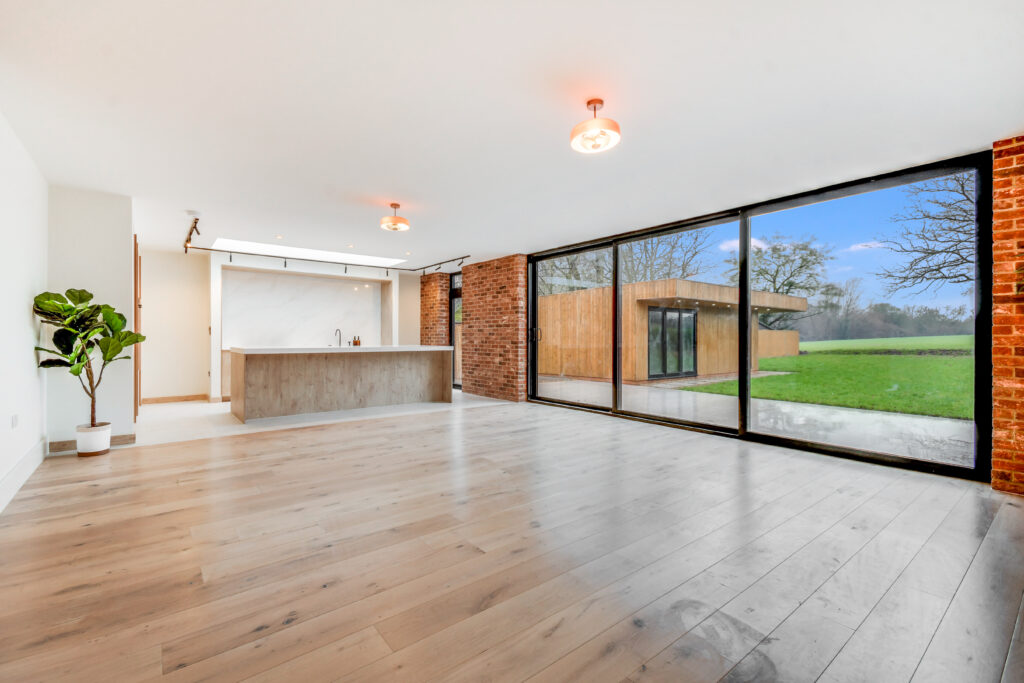
Designed to glide smoothly along a track rather than swing inward or outward, sliding doors make clever use of space while creating a beautiful connection between your interiors and the outdoors. Open them up on a bright morning and your living space instantly feels bigger, lighter and more connected to the garden.
At Siddh Glazing, we supply and install premium aluminium sliding doors designed to bring together style, performance and security. With slim sightlines, excellent thermal performance and robust security features, they offer a practical way to make the most of modern living without compromising on comfort or aesthetics.
What Are Sliding Doors?
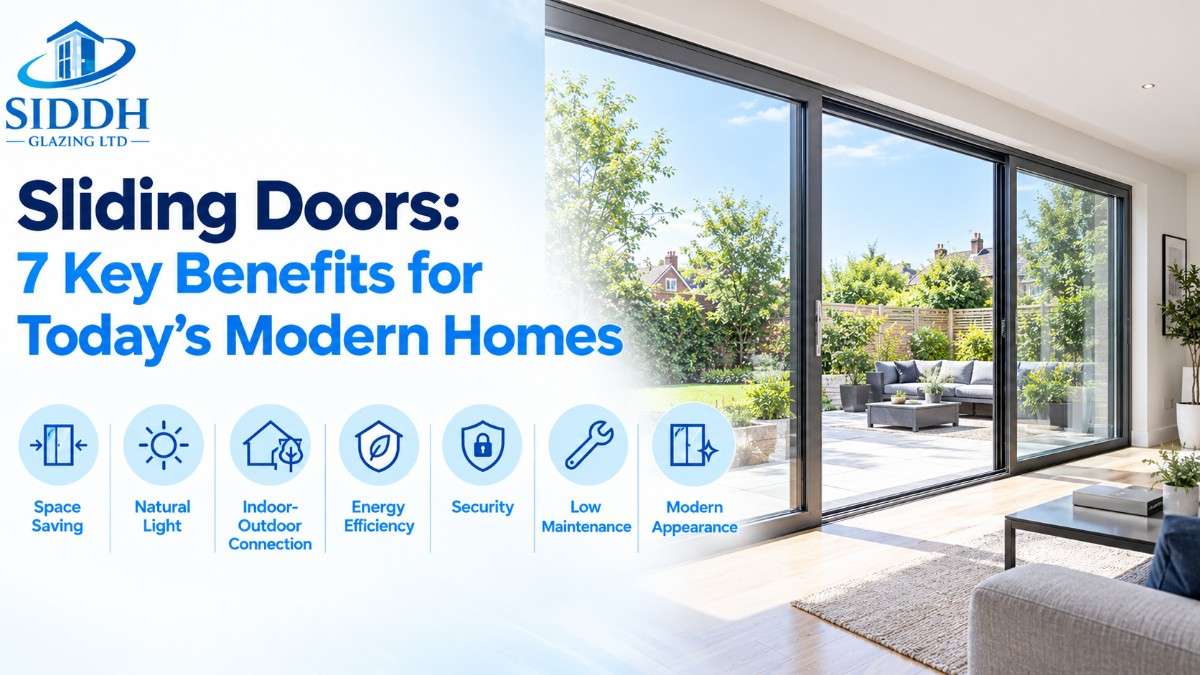
Sliding doors are door panels that glide open and closed on a track. In UK homes, the most common type is the patio sliding door: one or two panels slide behind a fixed panel. You might also see pocket sliding doors vanishing into a wall cavity, or internal ones used as room dividers. Today’s versions are worlds apart from the rattling aluminium frames of old. Precision-engineered rollers, double or triple glazing, multi-point locks: modern sliding doors are smooth, secure, and energy efficient.
7 Key Benefits of Sliding Doors for Modern Homes
They save floor space. No swing means you can push furniture right up to the opening. Huge win in small kitchens, bedrooms, or open-plan areas where every square metre matters.
They flood your home with natural light. Big glass panels, minimal frame. Compared to French doors or solid walls, they pour in far more daylight, making rooms feel larger and brighter all year.
They connect indoor and outdoor spaces. Fully open, they erase the visual and physical wall between your lounge or kitchen and garden, patio, or balcony. This is modern indoor-outdoor living at its core.
They improve energy efficiency. Double or triple glazing, argon fills, thermally broken aluminium: these cut heat loss and draughts. Keeps homes warmer in winter, cooler in summer. Our aluminium doors meet UK Building Regulations for thermal performance.
They offer strong security. Forget old myths. Today’s sliding doors are very secure: multi-point locks, toughened or laminated glass, anti-lift rollers. Peace of mind without sacrificing style.
They are durable and low maintenance. Aluminium resists rust, warping, and fading. A quick wipe with a cloth usually does it. uPVC sliding doors are also easy to care for and budget-friendly.
They add contemporary kerb appeal and value. A well-fitted set instantly modernises a property and boosts resale appeal. Buyers crave open, light-filled spaces,, and sliding doors deliver exactly that.
Sliding Door Materials: Aluminium, uPVC, or Wood?
Your material choice shapes appearance, performance, and cost. At Siddh Glazing, we install a range, but aluminium doors are the top pick for sliding setups. Slim yet incredibly strong frames support larger glass panels without bulk. Result? More glass, less frame, a cleaner look.
UPVC sliding doors are more affordable and insulate well, but thicker frames limit the minimalist effect. Timber brings warmth and character, yet needs more maintenance and can shift with humidity. For most modern homes, aluminium hits the sweet spot: performance, low maintenance, and design flexibility.
How Sliding Doors Work with Other Glazing Projects
Already replacing your glazing? Think about how sliding doors fit with the rest of your home. Matching uPVC windows in colour and style creates a coherent exterior. A composite door at the front gives you a secure, low-maintenance entrance to balance the light-filled rear. For a garden room or extension, pair sliding doors with uPVC conservatories: you get a bright, flexible space that works all year round.
Planning Your Sliding Door Installation
Before choosing your sliding doors, consider a few practical points. First, check the structural opening: sliding doors can be wide, so the wall above may need a steel lintel. Second, decide on two, three, or four panels. More panels mean a wider clear opening but higher cost. Third, look at the threshold. Low or flush gives level access and a seamless step into the garden. Finally, glazing options: clear, tinted, self-cleaning, or solar-control glass- we’ll match it to your room’s orientation and privacy needs.
Why Choose Siddh Glazing for Your Sliding Doors?
Over 15 years installing premium windows, doors, and glazing across the UK, our sliding door work is no exception. Full end-to-end service: survey, design, supply, installation. We’ll help you pick the right configuration, handle building regulations, and ensure a clean, weatherproof finish. High-quality materials: thermally broken aluminium, energy-efficient glazing, so your door performs as well as it looks.
The right sliding doors can do more than create a wider view of your garden. They can bring more light into your home, make everyday spaces feel more open and create a natural connection between indoors and out. If you are considering an upgrade, Siddh Glazing can help turn that vision into a beautifully finished reality.
Frequently asked questions
What are the main benefits of sliding doors?
Sliding doors save floor space, flood rooms with natural light, improve indoor-outdoor flow, and can boost energy efficiency when double or triple glazed.
Are sliding doors energy efficient?
Modern sliding doors with double or triple glazing and thermally broken frames can meet UK Building Regulations, reducing heat loss and draughts throughout the year.
How much do sliding doors cost in the UK?
Costs vary by size, material, and glazing. Aluminium sliding doors typically cost more than uPVC but offer slimmer frames and longer life, so they are a worthwhile investment.
Can sliding doors be used as room dividers inside a home?
Yes, internal sliding doors create flexible spaces, separating kitchens and living areas without the swing space required by hinged doors.